
Es 16 de marzo en Manantiales, Maldonado, Uruguay. Estamos esperando a Joni Sternbach para charlar acerca de su proyecto fotográfico que tiene al surf como protagonista. Para aquellos que no les suena conocido este nombre aprovechamos para contarles que esta chica nacida en Bronx, Nueva York viene haciendo fotos a surfistas del mundo entero con el método conocido como colodión húmedo, creado en 1851 por Frederick Scott Archer.
Sternbach aterrizó en Uruguay gracias a la invitación de sus amigos Heidi Lender y el fotógrafo uruguayo Luis Sosa. Luis de paso por Nueva York se comunicó con Joni y le planteó la posibilidad de hacer fotos a surfistas en Punta del Este, Uruguay a lo cual Joni amablemente aceptó. Fue esta la primera vez que la fotógrafa llegó a Sudamérica y aterrizó en tierra "charrúa" con el objetivo de continuar su proyecto llamado "Surfland".
El proyecto comenzó muy de a poco, al comienzo el objetivo era fotografiar cualquier surfista, sea hombre o mujer, pero con el tiempo, este comenzó a crecer y comencé a fotografiar surfistas importantes, que han contribuido a la historia del surf. Ahora estoy interesada en los pioneros, los íconos, no tanto las celebridades, pero si las personas que han hecho cosas importantes en el mundo del surf" comentó Sternbach.
Sus imágenes han sido presentadas en National Geographic, en una exposición individual en la Galería Von Lintel en Los Ángeles, en una exposición colectiva en MOCA Jacksonville, y recibió el 2º lugar en el Premio Taylor Wessing de la National Portrait Gallery en Londres.
MORESURF tuvo la suerte de coincidir, durante una sesión de fotos en la mítica playa de Manantiales. Coordinamos hora y lugar y nos juntamos junto a todo su equipo formado por su sobrino, su compañero de vida y el principal nexo y gran conocedor de este método Luis Sosa para charlar tranquilos.
- - - - - - - - -
It is March 16 in Manantiales, Maldonado, Uruguay. We are waiting for Joni Sternbach to talk about her photography project, Surfland. For all those who are not familiar with her name, we take this opportunity to tell you more about the Bronx born, native New Yorker who has been making photographs of surfers around the world with the method known as wet plate collodion (Humid Colodiom), created in 1851 by Frederick Scott Archer.
Sternbach arrived in Uruguay, thanks to the invitation of hers friends, Heidi Lender and the Uruguayan photographer Luis Sosa, who knew Sternbach’s work. Passing through NY, Luis communicated with Joni and offered his help photographing surfers in Punta del Este, which Joni gladly accepted. The chemistry needed for making tintypes must be sourced locally and Luis was able to gather it all for their shoot, which was planned for March 2017. This was Sternbach’s first trip to South America, arriving in "Charrúa" land with the objective of continuing her Surfland project.
This project started very slowly, with the objective in the beginning to photograph any/every surfer, man or woman, child or adult, learner or pro. Over time, the project expanded and I realized the importance of photographing well known surfers, people who contribute to the history of surfing. I am interested in the pioneers, the icons, not so much the celebrities, but the people who have done important things in the world of surfing" said Sternbach.
Her images have been seen in various exhibitions, most recently as at the National Portrait Gallery in London for the Taylor Wessing Portrait prize, in a solo show at Von Lintel Gallery in Los Angeles, and in a group exhibition at MOCA Jacksonville.
MORESURF was fortunate to meet up with Joni, during a photo shoot on the beach in Manantiales. We coordinated a time and place to meet and have coffee together with her team: Joni’s husband/photographer Eric Taubman, Luis Sosa her assistant and nephew/translator Rafael Sternbach-LeNoury.
- - - - - - - - -
¿Cuándo comenzaste a tomar fotos con este método?
Comencé a trabajar con el método conocido como colodión húmedo en 1999, después de tomar un taller en el norte del estado de Nueva York con John Coffer. Este proceso es lento pero inmediato. Después de recubierto, sensibilizado y expuesto mi primer plato, lo desarrollé en una caja oscura al aire libre, lo tomé y coloque en la luz del día para fijar. Allí se aclaró ante mí como mágia, en medio del bosque. Fue realmente un momento emocionante!
When did you start taking photos with this method?
I began working with wet plate collodion in 1999, after taking a workshop in upstate NY with John Coffer. This process is slow but immediate. After I coated, sensitized and exposed my first plate, I developed it in a dark box out doors and took it into the daylight to fix. There it cleared before me like magic…in the middle of the woods. It was truly an exciting moment!
 10.02.11 #3 Kassia, Donald+Jen.jpg - Oceanside, CA 2010 8x10 unique tintype - Credit © Joni Sternbach
¿Qué es lo que más te atrae de este tipo de fotografías?
El proceso es inmediato y hermoso! El tintype es un positivo directo en el metal ennegrecido, haciéndole también un objeto único. Porque sólo hago un plato, y mi tema participa plenamente en la fabricación de ese plato, crea una experiencia de colaboración, que nunca había tenido con un tema antes.
What attracts you the most from this type of photographs?
The process is immediate and beautiful! The tintype is a direct positive on blackened metal, making it also a unique object. Because I make only one plate, and my subject participates fully in the making of that plate, it creates a collaborative experience, which I’d never had with a subject before.
A lo largo de tu proyecto has hecho fotos a surfistas en Australia, Inglaterra, Francia, Nueva York, California, ahora Uruguay, ¿cómo manejas el tema de los equipos y los elementos químicos necesarios para lograr el revelado a lo largo del mundo?
La comunidad de placas húmedas ha crecido a lo largo de los diez años que he estado trabajando en este proyecto. Debido a eso, puedo ahora obtener fuentes de productos químicos en el extranjero en lugares que no podía antes. Uno no puede volar con los productos químicos necesarios para hacer tintypes, por lo que deben ser de origen local. Algunos de los equipos de cámara con los que viajo y el resto de mi kit (caja oscura, etc) se hace una vez que llegue a mi ubicación. ¿Usted notó quizá mi cartón caja oscura? Viajó bien de California a Nueva York y luego a Montevideo. ¡Es con la buena suerte de conectarme con gente maravillosa que me permite hacer fotografías de tintype en todo el mundo!
Throughout your project you have photographed surfers in Australia, England, France, New York, California, now Uruguay, How do you handle the subject of the equipment and the chemical elements necessary to achieve the development throughout the world?
The wet plate community has grown over the ten years I’ve been working on this project. Because of that, I can now source chemicals overseas in places I couldn’t before. One cannot fly with the chemicals needed to make tintypes, so they must be sourced locally. Some of the camera equipment I travel with and the rest of my kit (dark box etc) is made once I arrive at my location. Maybe you noticed my cardboard dark box? It traveled well from California to NYC then Montevideo. It is with the good fortune of connecting with wonderful people that enables me to make tintype photographs around the world!
 13.02.05 #8 Malloy Brothers.jpg - Jalama, California 2013 8x10 unique tintype - Credit © Joni Sternbach
¿Los resultados de las fotos no son siempre los esperados, que tan importante es esto a la hora de dar por finalizada una foto para incluir dentro de uno de tus libros?
Estoy constantemente redefiniendo mis expectativas cuando se trata de este proceso. En los últimos diez años creo que debo haber hecho más de 1000 tintypes. Finalizar las fotos para un libro, o una exposición es un proceso muy diferente a la realización de ellas en la playa. Ambos tienen que hablar con una comunidad más grande de fotógrafos y surfistas.
The results of the photos are not always what is expected, how important is this when it comes to finalizing a photo to include inside one of your books?
I am constantly redefining my expectations when it comes to this process. Over the last ten years I think I must have made over 1000 tintypes. Finalizing photos for a book, or an exhibition is a very different process than the making of them on the beach. Both have to speak to a larger community of both photographers and surfers.
Nos comentaste que nunca has surfeado, ¿porqué elegiste a surfistas para hacer tus retratos?
Me gusta decir porque los surfistas vinieron a mí. Yo estaba fotografiando en un farol mirando hacia el océano en medio del invierno y de repente en la niebla apareció uno de estos seres, golpeó en el centro de mi marco! Traté de evitarlos durante mucho tiempo hasta que un día se me ocurrió que podríamos tener una conexión.
You told us you've never surfed, why did you choose surfers to make portraits of?
I like to say because surfers came to me. I was photographing at a bluff gazing into the ocean in the middle of winter and suddenly in the fog appeared these beings, smack dab in the center of my frame! I tried to avoid them for a long time till one day it dawned on me that we might have a connection.
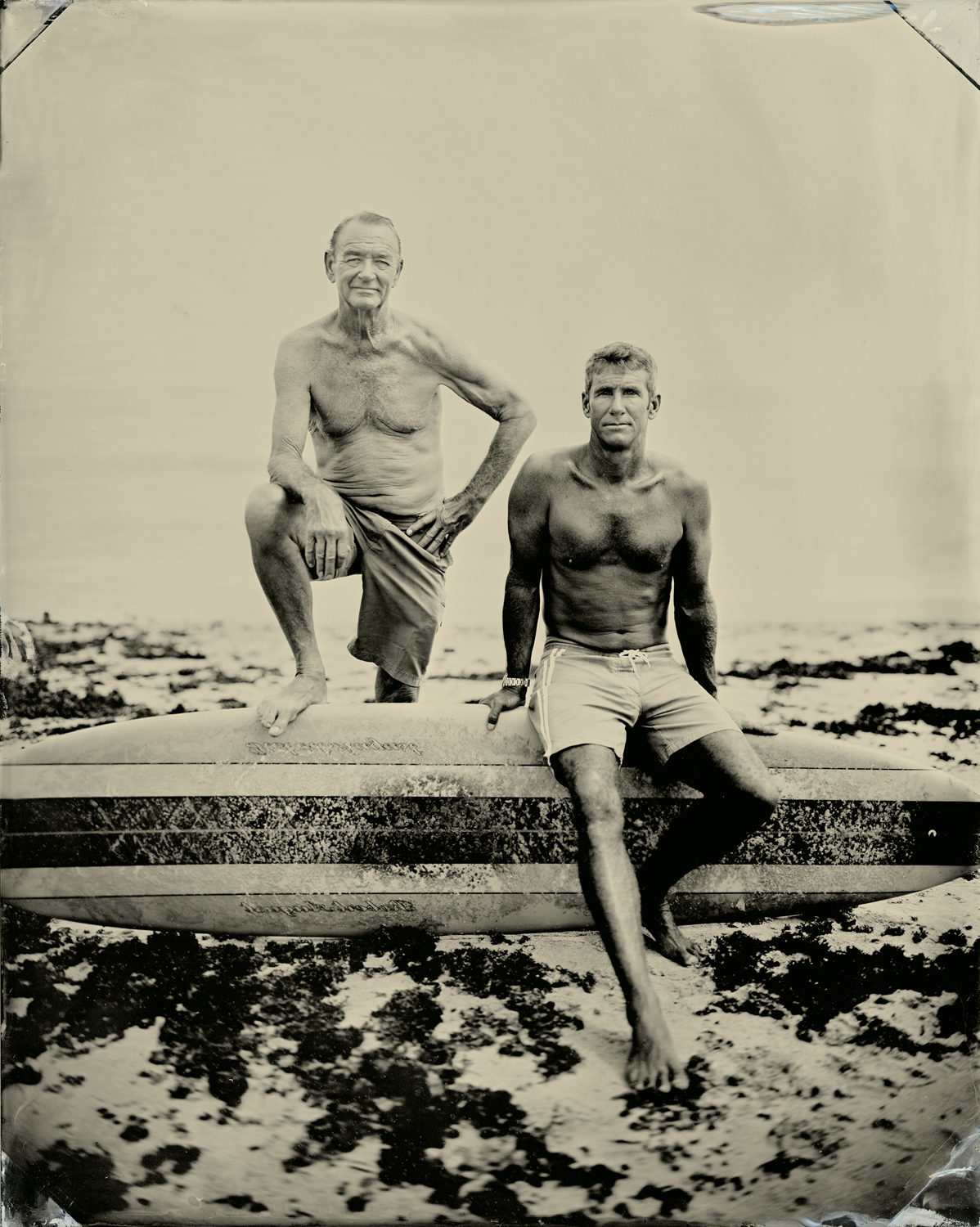 14.07.24 #1 Robert+Wingnut.jpg - Montauk, NY 2014 8x10 unique tintype - Credit © Joni Sternbach
¿Qué surfistas iconos / pioneros has tenido la posibilidad de fotografiar en el mundo y en Uruguay?
Tantos iconos y pioneros en los últimos años. Renny Yater, Yvon Chouinard, Shaun Tomson, Donald Takayama, Kassia Meador, Jen Smith, John John Florence, Jordy Smith, los hermanos Malloy, Robert August y Wingnut, ¡y no olvidemos Gidget! En Uruguay conocí a Raquel Lorenti, Santiago Madrid, Máximo Gattas y a el fotógrafo Diego Weisz.
What surfers icons / pioneers have you had the opportunity to photograph in the world and in Uruguay?
So many icons & pioneers over the years. Renny Yater, Yvon Chouinard, S
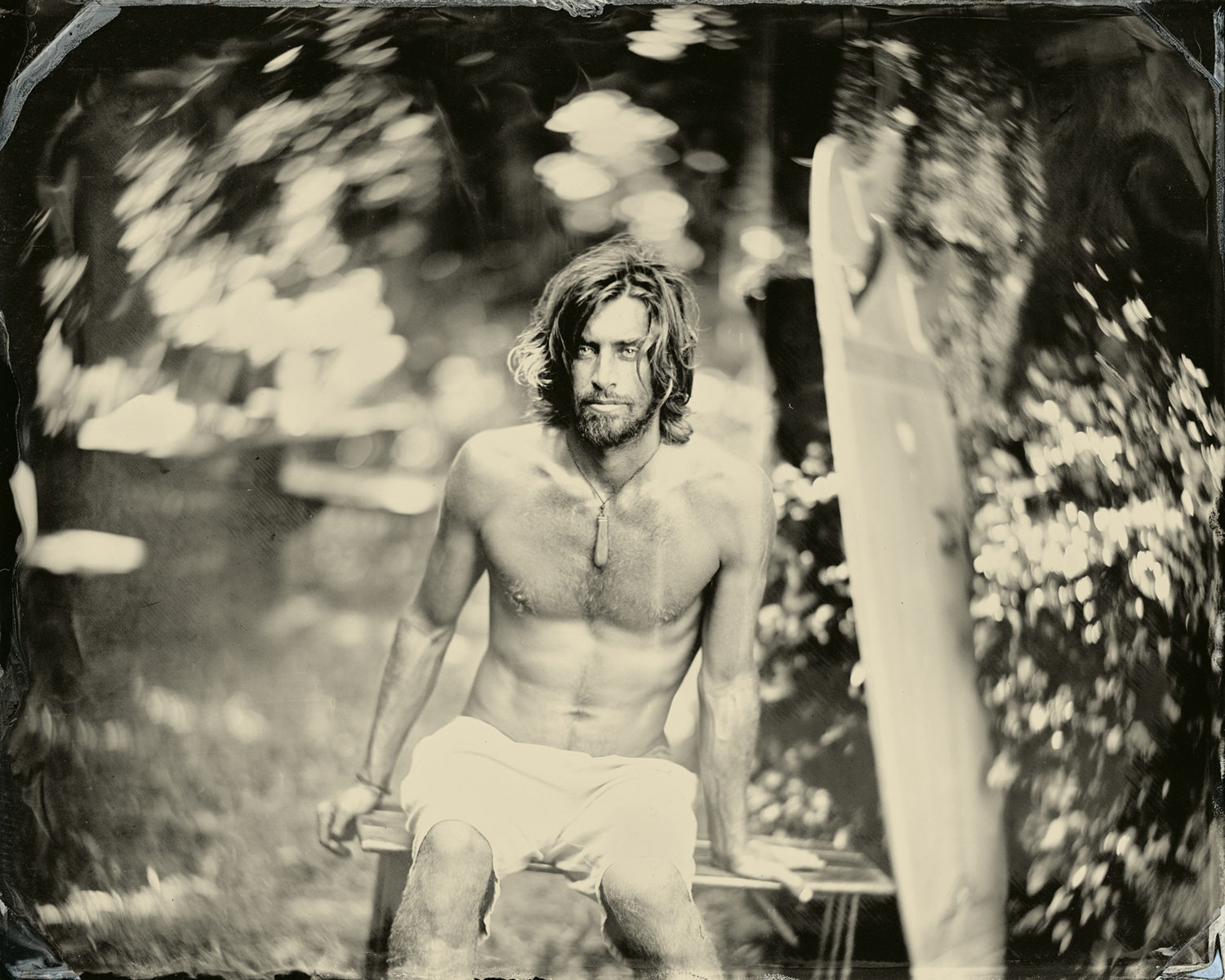 11.03.16 #5 Dave.jpg - Broken Head, Australia 2011 8x10 unique tintype - Credit © Joni Sternbach
En las fotos siempre hay algún elemento que te lleva a los comienzos del surf, sea una tabla retro, o un longboard o el corte de ropa usada por el/la surfista ¿cuál es el objetivo general, qué queres comunicar con tus fotos?
Para ser honesto, es la persona y su tabla que son más importantes para mí. Eso es lo que veo cuando tomo una fotografía. Busco la conexión entre ellos dos y luego el entre ellos y el océano.
In the photos there is always something that takes you to the beginnings of surfing, be it a retro board, or a longboard or the kind of clothes worn by the surfer. What is the general objective, what do you want to communicate with your photos?
To be honest, it’s the person and the board that are most important to me. That’s what I look at when I take a photograph. I am looking for the connection between the two and then the between them and the ocean.
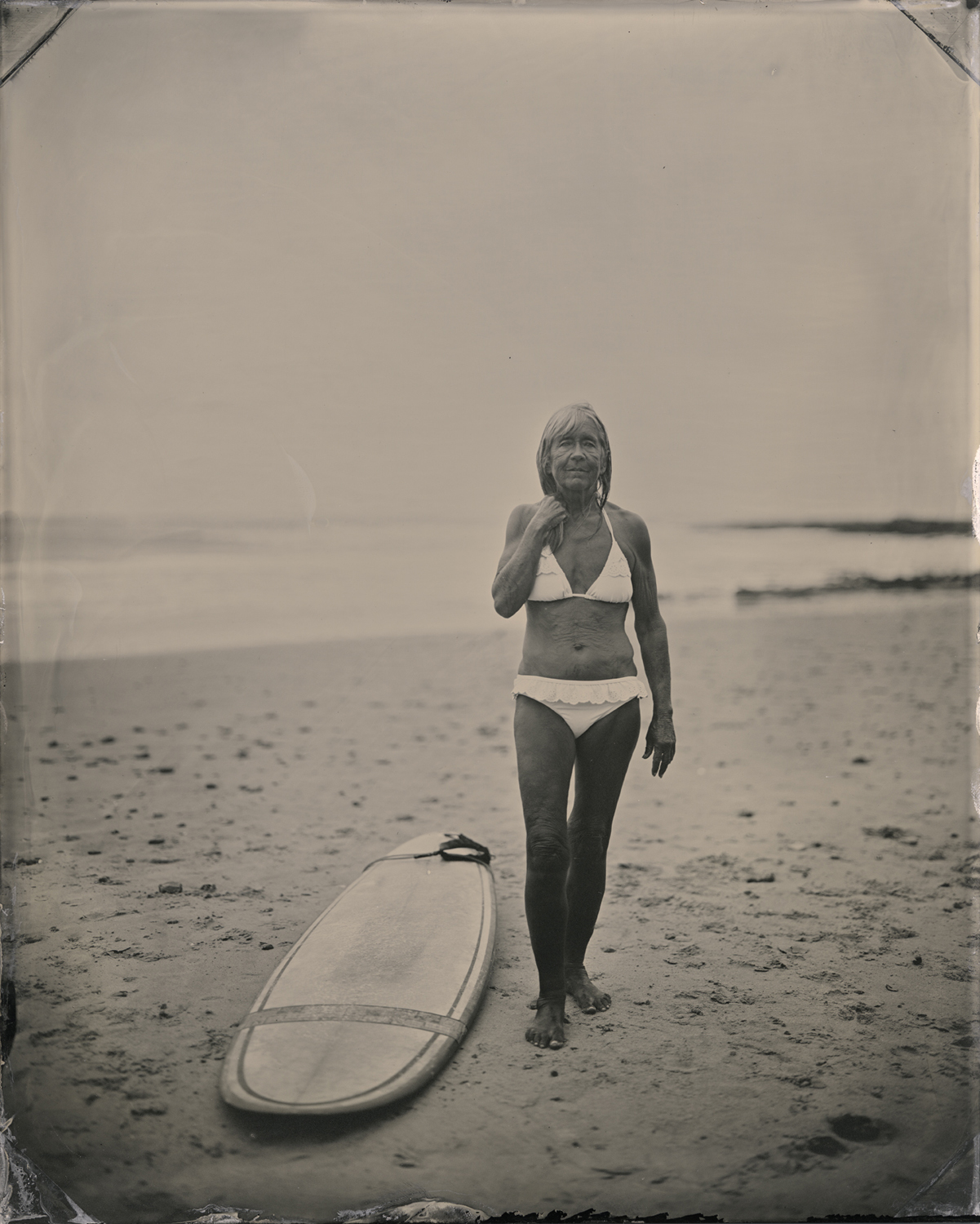 17.03.15 #9 Raquel.jpg - La Barra, Punta del Este, Uruguay 2017 8x10 unique tintype - Credit © Joni Sternbach
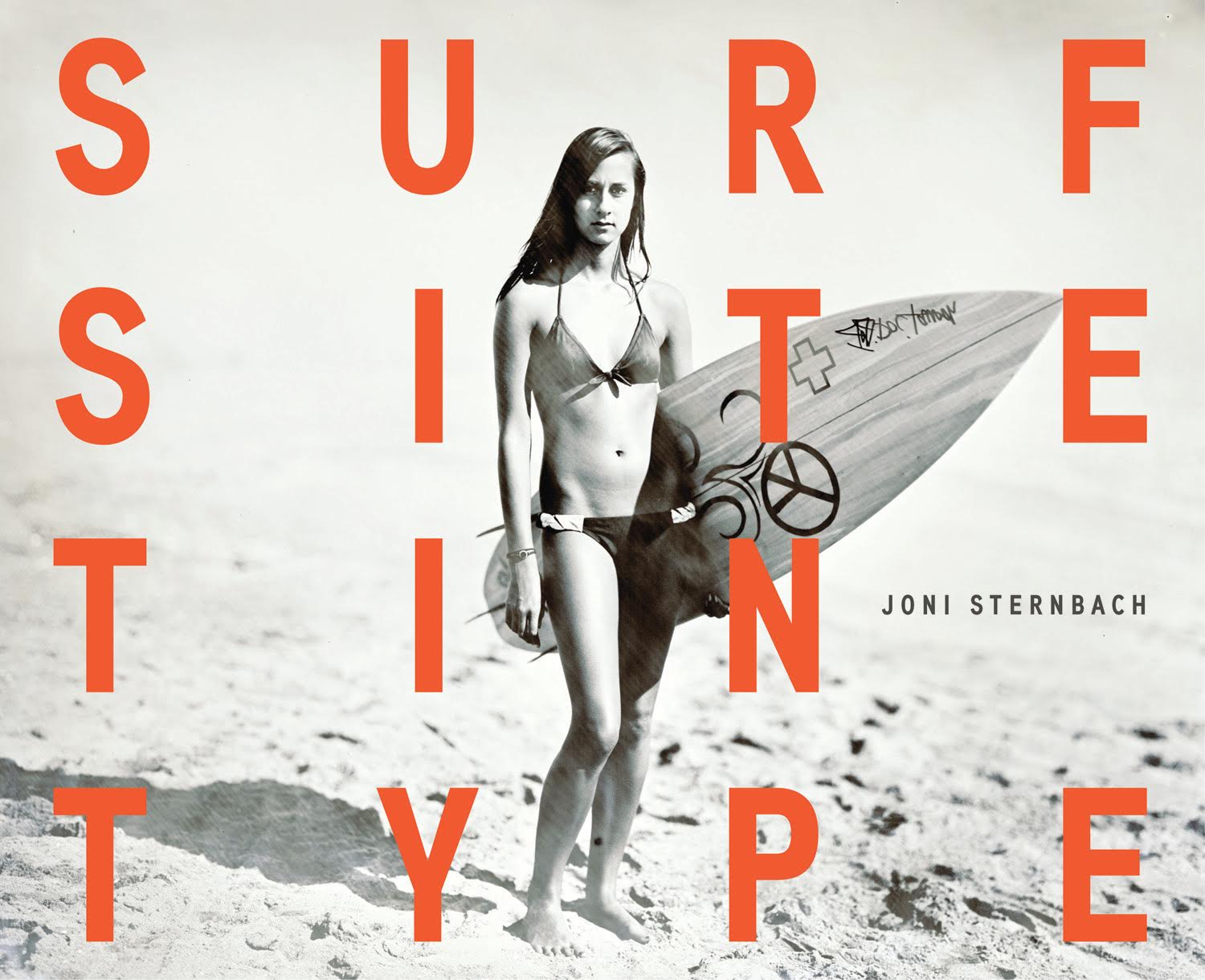
Al día de hoy publicaste dos libros, "Surfland" en el 2009 y "Surf Site Tin Type en 2015" hay un nuevo libro en camino?
No hay nada específico en el camino, pero estoy trabajando en mi primera película "surf".
To date you published two books, "Surfland" in 2009 and "Surf Site Tin Type in 2015" is there a new book on the way?
There’s nothing specific on the way but I am working on my first “surf” film.
Fue su primera vez en América del Sur, ¿qué impresión tuvo? América del Sur (menos el ataque de mosquitos) es uno de los lugares más hermosos que he estado. Me encantó Uruguay, la gente, las playas y la comida!
It was your first time in South America, what impression did you have?
South America (minus the mosquito attack) is one of the most beautiful places I’ve been. I loved Uruguay, the people, the beaches and the food!
¿Cómo fue tu experiencia en Uruguay?
Tuvimos un tiempo increíble en Uruguay y no siempre fue fácil: nos llovió, nos quemó el sol, nos empujó el viento. Pero logramos una caja llena de hermosas fotografías de tintype de la vida de surf, justo aquí en Punta del Este!
How was your experience in Uruguay?
We had an amazing time in Uruguay and it wasn’t always easy: we got rained on, sunburnt, pushed around by the wind and bitten by mosquitoes. But we got a box full of beautiful tintype photographs of the surfing life, right here in Punta del Este!
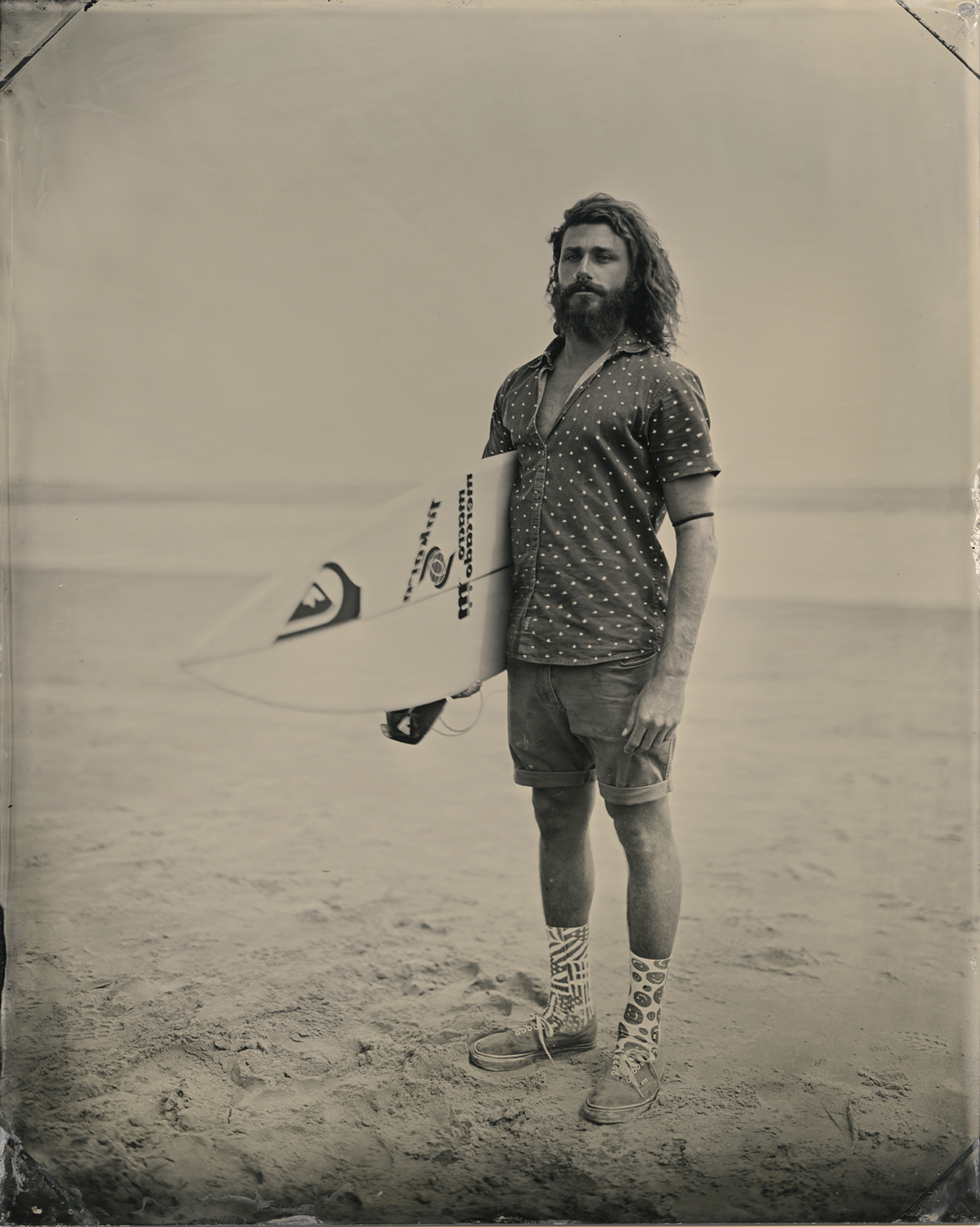 17.03.17 #3 Santiago.jpg - Jose Ignacio, Punta del Este, Uruguay 2017 8x10 unique tintype - Credit © Joni Sternbach
¿Cómo fue trabajar junto a Luis Sosa?
Luis es una joya! Hizo que todo este rodaje ocurriera. Él asumió el papel de asistente, contacto local, conectó con los surfistas, fue el químico, asador, chef, es una persona increíble.
What was it like working with Luis Sosa?
Luis is a gem! He made this entire shoot happen. He took on the role of assistant, local contact and point person to surfers, chemist, asado chef, and all around amazing person.
¿Como ves la fotografía hoy en día?
La fotografía está cambiando de muchas maneras, algunas buenas, algunas no tanto. Todo el mundo es fotógrafo hoy también. Ha abierto las cosas, pero también hizo que el mundo esté lleno de imágenes repetitivas.
How do you see photography today?
Photography is changing in so many ways, some good, some annoying. Everyone is a photographer today too. It’s opened things up but also made the world full of repetitious imagery.
¿Dónde podemos ver más de tu trabajo?
Pueden ver mi sitio web: www.jonisternbach.com , en isntagram: @jstersurf .
Where can we see your work?
You can see more of my work on my website www.jonisternbach.com
On instagram @jstersurf
MORESURF y ¿menos qué?
Menos Trump !
MORESURF and less what?
Less Trump
- - - - - - - - - - - - -
Todas las imagenes son de la serie Surfland. Están hechas en locaciones con una cámara de gran formato.
Credit © Joni Sternbach
All images are from the series Surfland. They are made on location with a large format view camera.
Credit © Joni Sternbach

